
Crafting With the Mountain and the Mediterranean
Today we explore sustainable regional materials—mountain wool, larch, olive wood, and karst clay—through the hands, tools, and traditions that keep landscapes alive. From alpine pastures to terraced groves and limestone valleys, discover how respectful making reduces waste, strengthens communities, and creates heirlooms. Share your questions, subscribe for field notes, and join conversations that celebrate resourcefulness, repair, and place.
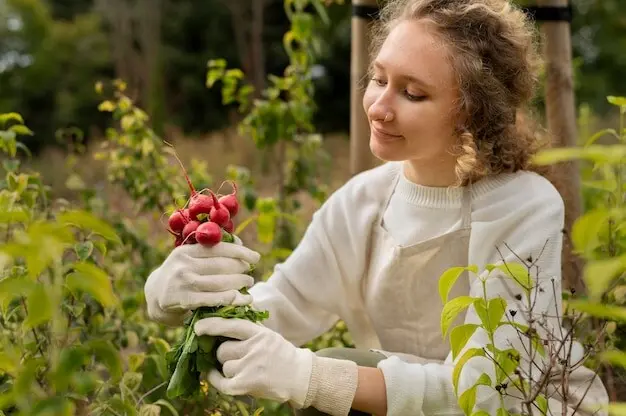
From Pastures to Loom: The Journey of Mountain Wool
High-altitude flocks graze steep meadows where herbs scent the fleece and weather toughens fibers into resilient comfort. Working with nearby shepherds, we sort, scour, and spin with minimal water and gentle soaps, retaining character and warmth. Every skein records migration routes, winter storms, and the quiet patience of handwork.
Selecting and Scouring Fibers
Selection begins on the shearing floor: we skirt away burrs, guard hairs, and mud, keeping crimped staples that promise bounce and breathability. Low-temperature soaks ease out lanolin without stripping soul, while rainwater rinses conserve resources and leave a faint meadow scent that lingers through spinning.
Spinning for Warmth and Breathability
Twist is a language: tighter singles cut wind on exposed ridges, looser plies trap air for shelter by the stove. We balance micron count, staple length, and intended use, letting the wheel translate terrain into yarn that moves, stretches, and lasts without unnecessary bulk.
Larch Timber: Resilience Carved by Altitude and Weather
Resin-rich heartwood resists rot, standing firm where snow loads, hail, and mountain rain test every joint. By partnering with local mills, we trace each board to hillside stands managed for diversity and renewal. Thoughtful kilning, slow acclimation, and honest design reveal stability, character, and enduring service.
Olive Wood: Slow Growth, Deep Grain, Everyday Grace
Pruned branches and storm-fallen limbs become utensils, boards, and small vessels that keep groves productive and waste minimal. Dense, fragrant grain resists stains and tells centuries of drought, harvest, and song. Turning and carving honor knots, finding balance between utility, beauty, and the cook’s steady hand.
Reading the Grain Before the First Cut
Olive rarely runs straight; movement hides within cathedral swirls and tight fiddleback. We orient blanks to avoid cross-grain tear-out, preserving figure for knife-friendly surfaces. Chalk lines, patience, and sharp edges prevent regret, letting old trees give new service without unnecessary loss or waste.
Shaping Bowls and Handles for Hands
Ergonomics begins at the lathe and bench. We chase curves the palm understands, thin lips to keep soups warm, and leave subtle facets that guide grip when wet. The result is daily companionship—objects that invite use, survive washing, and become favorites without fuss.
Finishing with Food-Safe Tradition
Olive oil finishes olive wood beautifully, yet dries poorly alone. We polymerize linseed, add beeswax from nearby hives, and burnish with linen until the surface glows. After meals, warm water and a smile suffice, plus occasional oilings that keep grain luminous and sealed.
Karst Clay: Earth Formed by Water and Time
In limestone country, rivers vanish underground, returning with minerals that temper clay bodies for strength and nuance. We dig modestly with permits, blend with local grogs, and test shrinkage like bakers test dough. Firing with community kilns, we celebrate porous cups, robust crocks, and shimmering ash-kissed glazes.
Circular Craft: Waste Nothing, Learn from Everything
Offcuts and remnants guide invention. Wool scraps felt into potholders, larch shavings smoke-fire clay, olive sawdust feeds compost, and slip from trimming reclaims into new tiles. By designing for long service and graceful end-of-life, we lower footprint, teach stewardship, and invite others to join.
Designing for Repair, Not Replacement
Buttons, screws, pegs, and laces beat glue and mystery fasteners every time. We document construction with sketches tucked under seats, provide spare yarn and finish kits, and celebrate patina rather than hiding it. Ownership becomes partnership, where users participate actively in longevity and learn meaningful skills.
Community Networks for Material Exchange
We map makers, farms, mills, and municipal yards, then trade what one discards for another’s gold. A quarterly swap brings wool locks, offcut bundles, olive prunings, and clay slop together. Friendships bloom, shipping shrinks, and experiments multiply into practical solutions that serve households and schools.
Stories by the Hearth: People Behind the Materials
Craft begins with relationships. We gather notes from a shepherd who stitches saddle bags at dusk, a forester who whistles to nuthatches, a potter whose kiln warms neighbors, and an olive grower who reads weather from leaves. Add your voice; comment, question, and subscribe.




All Rights Reserved.